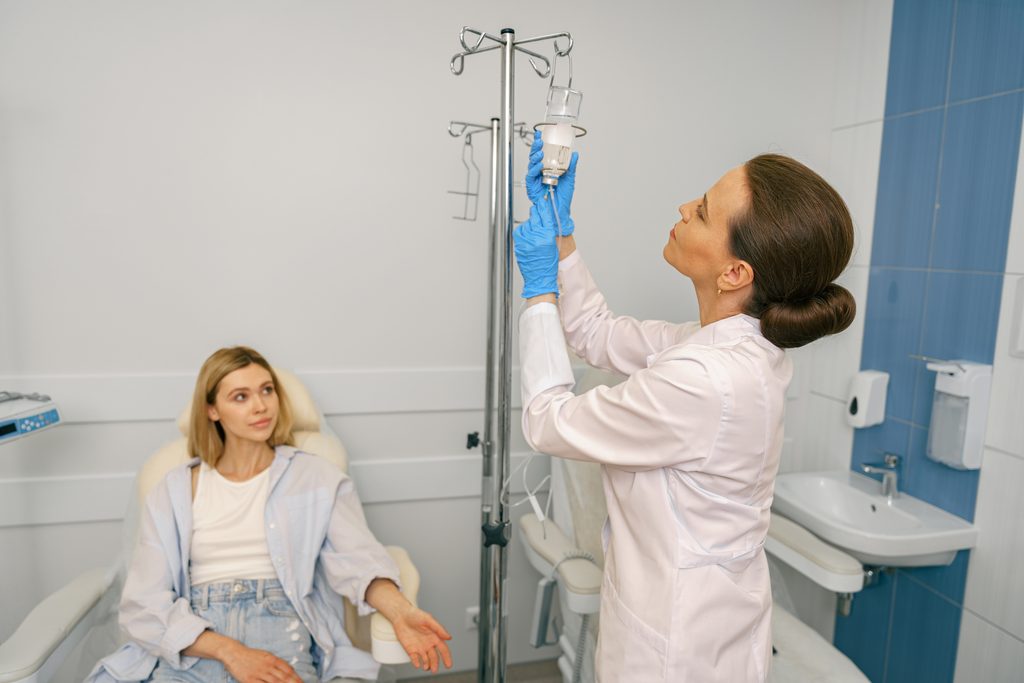
If you have heard about IV therapy but are unsure how it works, you are not alone. Many people are curious about IV drips for hydration, vitamin delivery, and general wellness. Before booking a session, it helps to understand what the treatment involves, what it may offer, and what its limitations are.
What is IV therapy? IV therapy, short for intravenous therapy, delivers fluids, vitamins, minerals, electrolytes, or medications directly into a vein through a small catheter. It is widely used in medical settings and is also offered by some wellness clinics as an elective service.
If you are exploring iv therapy in Richmond Hill, GA, learning the basics can help you decide what questions to ask and whether a treatment may suit your needs.
This guide explains how IV therapy works, what it is used for, how much it may cost, and what beginners should know about safety.
What Is IV Therapy and How Does It Work?
IV therapy is a method of delivering fluids or other substances directly into the bloodstream. Unlike oral supplements, which pass through the digestive system, IV delivery bypasses the stomach and intestines.
Healthcare professionals use IV therapy for several medical purposes, including fluid replacement, medication delivery, and certain nutrient treatments. Wellness clinics may offer IV infusions containing fluids, vitamins, minerals, or other ingredients.
The exact formula depends on the purpose of the treatment. Not everyone needs extra vitamins or fluids, and receiving a nutrient through an IV does not automatically mean it will provide a noticeable health benefit.
According to Cleveland Clinic, research supporting many general wellness claims about IV vitamin therapy remains limited.
How Does an IV Drip Work?
A typical IV therapy session follows several steps:
Health screening: A healthcare professional reviews your health history, medications, allergies, and treatment goals.
Treatment selection: The provider determines whether the proposed infusion is appropriate and reviews its ingredients with you.
IV placement: A trained healthcare professional inserts a small needle into a vein, usually in your arm or hand, to position a flexible catheter.
Infusion: The fluid enters your bloodstream through tubing at a controlled rate.
Monitoring and removal: The provider monitors your response, removes the catheter when the session ends, and checks the insertion site.
The needle is removed after the catheter is placed. The flexible catheter remains in the vein during the infusion.
Many wellness sessions take around 30 to 60 minutes, although the time varies with the fluid volume, ingredients, and treatment plan.
What Is IV Therapy Used For?
The answer to what is IV therapy used for depends on the type of infusion and the person’s health needs. IV therapy has established medical uses, but the evidence for elective wellness infusions varies.
1. Hydration and Fluid Replacement
IV fluids can help replace fluids when someone is dehydrated or cannot take enough fluid by mouth. In medical settings, providers may use IV fluids when a person’s condition requires them.
For mild dehydration, drinking water and using appropriate oral rehydration fluids may be enough. An IV is not automatically better for someone who can drink and absorb fluids normally.
2. Delivering Vitamins and Minerals
Some IV infusions contain vitamins and minerals, such as vitamin C and B vitamins. These nutrients support normal body functions, but the value of an infusion depends on the person’s needs, the ingredients, and the dose.
For people with certain deficiencies or problems absorbing nutrients, medically supervised treatment may be appropriate. However, there is limited evidence that routine IV vitamin drips provide major benefits for otherwise healthy people who already get enough nutrients.
The NIH Office of Dietary Supplements provides reliable information about individual vitamins and minerals, including their roles, recommended intake, and potential risks.
3. Supporting Recovery When Medically Appropriate
People sometimes seek IV therapy after travel, exercise, or periods when they feel tired. Some treatments may help when dehydration or a specific nutrient issue is contributing to symptoms.
However, an IV drip cannot guarantee faster recovery or increased energy. Fatigue can have many causes, including poor sleep, anemia, thyroid problems, medication effects, and other medical conditions. Persistent fatigue should be assessed by a healthcare professional rather than treated with repeated infusions alone.
4. Medical Treatment and Medication Delivery
IV therapy is also used in hospitals and other clinical settings to deliver prescribed medications, blood products, and other treatments that require intravenous administration.
These medical uses are different from elective wellness infusions. The purpose, dose, monitoring, and clinical evidence depend on the specific treatment.
What Is Inside an IV Therapy Drip?
The ingredients vary by treatment. A wellness infusion may contain a fluid base along with selected vitamins, minerals, or electrolytes.
Ingredient
General role
Saline
Provides fluid and sodium chloride
Electrolytes
Help maintain fluid balance and support nerve and muscle function
Vitamin C
Supports normal immune function, collagen formation, and antioxidant activity
B vitamins
Help the body carry out normal energy metabolism
Vitamin B12
Supports red blood cell formation and normal nerve function
Magnesium
Supports normal muscle, nerve, and other body functions
These nutrients have important roles in the body, but their presence in an IV drip does not prove that the infusion will improve a particular symptom.
The provider should explain exactly what a treatment contains, why each ingredient is included, and whether there is evidence that it may help with your stated goal. Ask about the dose and any potential interactions with your medications.
What Are the Potential Benefits of IV Therapy?
IV therapy may be useful in specific situations, especially when intravenous fluid or nutrient delivery is medically appropriate. The benefits of elective wellness infusions are less certain.
Potential benefits depend on the reason for treatment:
Fluid replacement: IV fluids can restore fluid volume when a person needs intravenous hydration.
Direct delivery: Infused ingredients enter the bloodstream without first passing through the digestive tract.
Specific clinical needs: Some patients need intravenous medications or nutrients because of a diagnosed condition or problems with oral intake or absorption.
Claims about improved energy, immunity, skin appearance, focus, or anti-aging should be viewed carefully. Some people report feeling better after wellness infusions, but personal experiences do not establish that a treatment works for everyone.
IV therapy should complement appropriate healthcare, not replace a balanced diet, adequate sleep, regular hydration, or evaluation of ongoing symptoms.
Is IV Therapy Safe?
IV therapy has potential risks because it involves placing a catheter into a vein and delivering substances directly into the bloodstream. The level of risk depends on the ingredients, dose, sterility, provider training, and your medical history.
Possible risks include:
Pain, bruising, or bleeding at the insertion site
Vein irritation or inflammation
Infection
Allergic reactions to ingredients
Fluid overload in people who cannot safely handle additional fluids
Electrolyte disturbances or vitamin toxicity from inappropriate doses
Medication or supplement interactions
People with kidney disease, heart conditions, high blood pressure, certain allergies, or other medical concerns may need additional screening before treatment. Anyone who is pregnant or breastfeeding should discuss IV wellness treatments with their healthcare provider before considering them.
The FDA has also warned about serious adverse events linked to contaminated or poor-quality compounded drugs. See the FDA’s guidance on compounding risks.
How to Choose a Safe IV Therapy Provider
Before scheduling an infusion, ask the clinic:
Who reviews my health history and determines whether the treatment is appropriate?
Who will insert and monitor the IV?
What ingredients and doses are included?
How are sterile supplies and infusion products sourced and handled?
What side effects should I watch for?
What happens if I experience a reaction during treatment?
Choose a provider that answers these questions clearly, screens for medical risks, and does not promise guaranteed results. A responsible provider should also be willing to recommend against IV therapy when it is not appropriate.
What Should Beginners Expect During Their First IV Therapy Session?
If you have never received a wellness infusion, knowing what to expect can make the process less intimidating.
Before Your Appointment
You may be asked to complete a health questionnaire and discuss your medical history, medications, allergies, and goals. Be honest about any health conditions or previous reactions to IV treatments.
Ask whether you need to eat or drink beforehand and whether any preparation is required. Follow the clinic’s instructions rather than assuming every infusion has the same requirements.
During the Infusion
A trained professional will clean the insertion site and place the IV catheter. You may feel a brief pinch when the needle enters the skin. The infusion then runs through the tubing at a controlled rate.
You will usually be seated or resting while the treatment is given. Tell the provider immediately if you feel pain, swelling, burning, dizziness, shortness of breath, or anything unusual.
After Your Session
Once the infusion is complete, the provider removes the catheter and checks the insertion site. Follow any aftercare instructions and ask when you can return to your normal activities.
Do not assume you will feel an immediate boost in energy or wellness. Your response depends on the treatment and your health needs, and some people may notice no clear difference.
How Much Is IV Therapy?
The price depends on the clinic, the fluid volume, the ingredients, the treatment’s purpose, and whether the session includes additional services.
As a broad US estimate, elective wellness IV sessions may cost around $150 to several hundred dollars, with some specialized treatments costing more. Cleveland Clinic notes that some IV vitamin treatments can reach $1,000. These are general market estimates, not Bee Optimal Health’s current prices. See Cleveland Clinic’s IV vitamin therapy guide.
Factors that can affect the price include:
The type of infusion
The number and dose of ingredients
The length of the session
Whether a medical consultation is included
Whether you purchase a single treatment or a membership
Before booking, ask for the full price and confirm what is included. You should also check whether the service is considered elective wellness care or medically necessary treatment. Insurance coverage varies, and elective wellness IV therapy is often not covered.
If you are considering ongoing visits, review Bee Optimal Health’s wellness memberships to learn about the available membership options and determine whether one fits your needs and budget.
How Often Should You Get IV Therapy?
There is no single schedule that is appropriate for everyone. How often someone should receive IV therapy depends on the reason for treatment, the ingredients and doses, their health history, and the guidance of a qualified healthcare professional.
A person receiving prescribed IV treatment for a medical condition may need a schedule based on that condition. Someone considering elective wellness infusions should not assume that weekly or monthly treatments are necessary or beneficial.
Repeated infusions can increase exposure to the risks of IV placement and unnecessary nutrient doses. Discuss the intended benefits, frequency, and alternatives with your provider before committing to a routine.
Can You Do IV Therapy at Home?
IV therapy at home may be available through qualified healthcare services, depending on the type of treatment and local requirements. However, home administration still requires appropriate clinical oversight, sterile equipment, and a professional who is qualified to perform the procedure.
Do not attempt to insert an IV catheter or administer an infusion yourself based on online instructions. Improper placement, contamination, incorrect dosing, and fluid or medication errors can cause serious harm.
If you are interested in home-based care, ask a licensed healthcare provider whether it is appropriate for your situation and what professional support is available.
Is IV Therapy Right for You?
IV therapy may be appropriate when there is a clear medical reason for intravenous fluids or nutrients. Elective wellness infusions are a different matter, and their benefits are not equally well supported for every purpose.
Before deciding, consider your health history, the reason you want treatment, the evidence for the proposed ingredients, and the cost. If you have persistent fatigue, dizziness, dehydration, or other ongoing symptoms, seek medical evaluation to identify the cause.
For those exploring wellness services locally, a wellness clinic in Richmond Hill, Ga can be a starting point for learning about available services and asking questions about suitability, ingredients, and safety.
Final Thoughts
Understanding what is IV therapy means knowing both how it works and what it can realistically offer. IV therapy delivers fluids and other substances directly into the bloodstream and has important medical uses. Elective wellness infusions may appeal to people interested in hydration or nutrient delivery, but many broad claims about energy, immunity, and anti-aging still lack strong evidence.
Safety matters just as much as potential benefits. Choose a qualified provider, share your medical history, ask about the ingredients and doses, and avoid treatments that promise guaranteed results. Most importantly, use IV therapy only when it makes sense for your individual needs and never as a replacement for appropriate medical care.
FAQs
How to start an IV for beginners?
Starting an IV requires practical training in venous access, infection prevention, equipment handling, and patient assessment. Beginners should learn through an accredited healthcare training program and supervised clinical practice, not by attempting the procedure on themselves or another person. If you want an IV infusion for wellness purposes, arrange it through a qualified healthcare provider.
What qualifications do you need to do IV therapy?
Qualifications depend on the state, the professional’s license, the type of infusion, and the person’s scope of practice. IV placement and administration are generally performed by appropriately licensed healthcare professionals who have relevant training and are authorized to provide the service. Requirements vary, so clinics and patients should confirm applicable state rules and the credentials of the person providing treatment.
Can you do IV therapy yourself?
You should not attempt to start an IV or administer a wellness infusion yourself without appropriate clinical training, authorization, and medical oversight. Incorrect placement, infection, air entering the line, dosing errors, and other complications can cause serious harm. If you need IV treatment, speak with a qualified healthcare professional about safe options.
Why is starting an IV so hard?
Finding a vein can be difficult because veins vary in size, depth, and visibility. Dehydration, cold temperatures, movement, and individual anatomy can also make IV placement more challenging. Healthcare professionals use training and assessment to select an appropriate site and reduce complications. Repeated unsuccessful attempts should be handled by trained staff rather than by an inexperienced person.
01
Ketorolac
Pain, inflammation, and fever control
Add-on Price
$30 add-on
Benefits
Utilized for pain, inflammation, and fever control
Mineral included in more than 600 human reactions in the body! Great for muscle relaxation, physical performance enhancement, mood regulation, improvement in menstrual symptoms, migraine management, pain reduction, sleep improvement, anti-inflammatory benefits, and improved insulin sensitivity for diabetics.
Great for weight loss, treating neuropathy, reducing inflammation, boosting the body’s natural antioxidant defenses, anti-aging, improving skin quality, and slowing the progression of memory loss.
Alpha Lipoic Acid intramuscular or subcutaneous injection
Benefits
Great for weight loss, treating neuropathy, reducing inflammation, boosting the body’s natural antioxidant defenses, anti-aging, improving skin quality, and slowing the progression of memory loss.
Great for immune system enhancement, inflammation, testosterone boost, and anti-aging benefits. This mineral is required for multiple metabolic actions in the body!
Mineral included in more than 600 human reactions in the body! Great for muscle relaxation, physical performance enhancement, mood regulation, improvement in menstrual symptoms, migraine management, pain reduction, sleep improvement, anti-inflammatory benefits, and improved insulin sensitivity for diabetics.
Vitamin B12 subcutaneous or intramuscular injection
Benefits
A necessary vitamin for blood cell production! Combats fatigue and anemia, provides an energy boost, enhances cognitive focus, and supports metabolic health. Improves mood, recovery from illness, and assists with cellular metabolism for weight loss.
A necessary vitamin for blood cell production! Combats fatigue and anemia, provides an energy boost, enhances cognitive focus, and supports metabolic health. Improves mood, recovery from illness, and assists with cellular metabolism for weight loss.